Starting Your Dream: How Expats Can Start a Business in the UK with Ease

Ready to Be Your Own Boss? Here’s How Expats Can Start a Business in the UK
So, you’ve landed in the land of tea, rain, and incredible opportunities! If you’re wondering how expats can start a business in UK, you’re in the right place. The UK is one of the most entrepreneur-friendly countries in the world, and honestly, the process is way less scary than it sounds. Whether you’re dreaming of a cozy café in the Cotswolds or a high-tech startup in London, let’s break down how you can get your gears turning.

1. Sort Out Your Visa First
Before you pick out the perfect office chair, you need to make sure your legal paperwork is in order. To figure out how expats can start a business in UK, the first step is checking your visa status. If you have indefinite leave to remain (ILR), you’re golden. If not, you might need an Innovator Founder visa or a Skilled Worker visa. Always double-check the latest Home Office rules because they change faster than the British weather!





2. Choose Your Business Structure
Deciding how to set up your shop is a big deal. Most expats choose between these two:
- Sole Trader: Easy to set up, but you are personally responsible for any business debts.
- Limited Company: Your business is a separate legal entity. It’s a bit more paperwork but offers more protection for your personal assets.
3. Register with Companies House
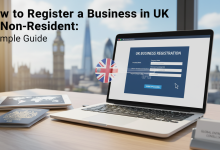
If you decide to go the limited company route, you’ll need to register with Companies House. This is a crucial part of how expats can start a business in UK. You’ll need a UK address (it can be your home or a registered office service) and some basic info about your directors and shareholders. It usually costs about £12 and can be done online in minutes!
4. Get Your Tax Game Strong
Nobody likes talking about taxes, but HMRC (His Majesty’s Revenue and Customs) is someone you want to stay on good terms with. You’ll need to register for Corporation Tax if you’re a limited company, or Self Assessment if you’re a sole trader. If you expect to make more than £90,000 a year, you’ll also need to register for VAT.
5. Open a Business Bank Account
Keep your personal money and your business money separate. Trust us, your future self (and your accountant) will thank you. Many high-street banks or digital-first banks like Monzo or Revolut Business make it fairly easy for expats to get started even if they are new to the country.
Wrapping It Up
Starting a journey as an international founder is exciting. Understanding how expats can start a business in UK is just the beginning. Take it one step at a time, don’t be afraid to ask for professional advice, and soon enough, you’ll be the one handing out the business cards!